CogVideo vs Google Lumiere
A detailed comparison to help you choose the right AI tool for your workflow.
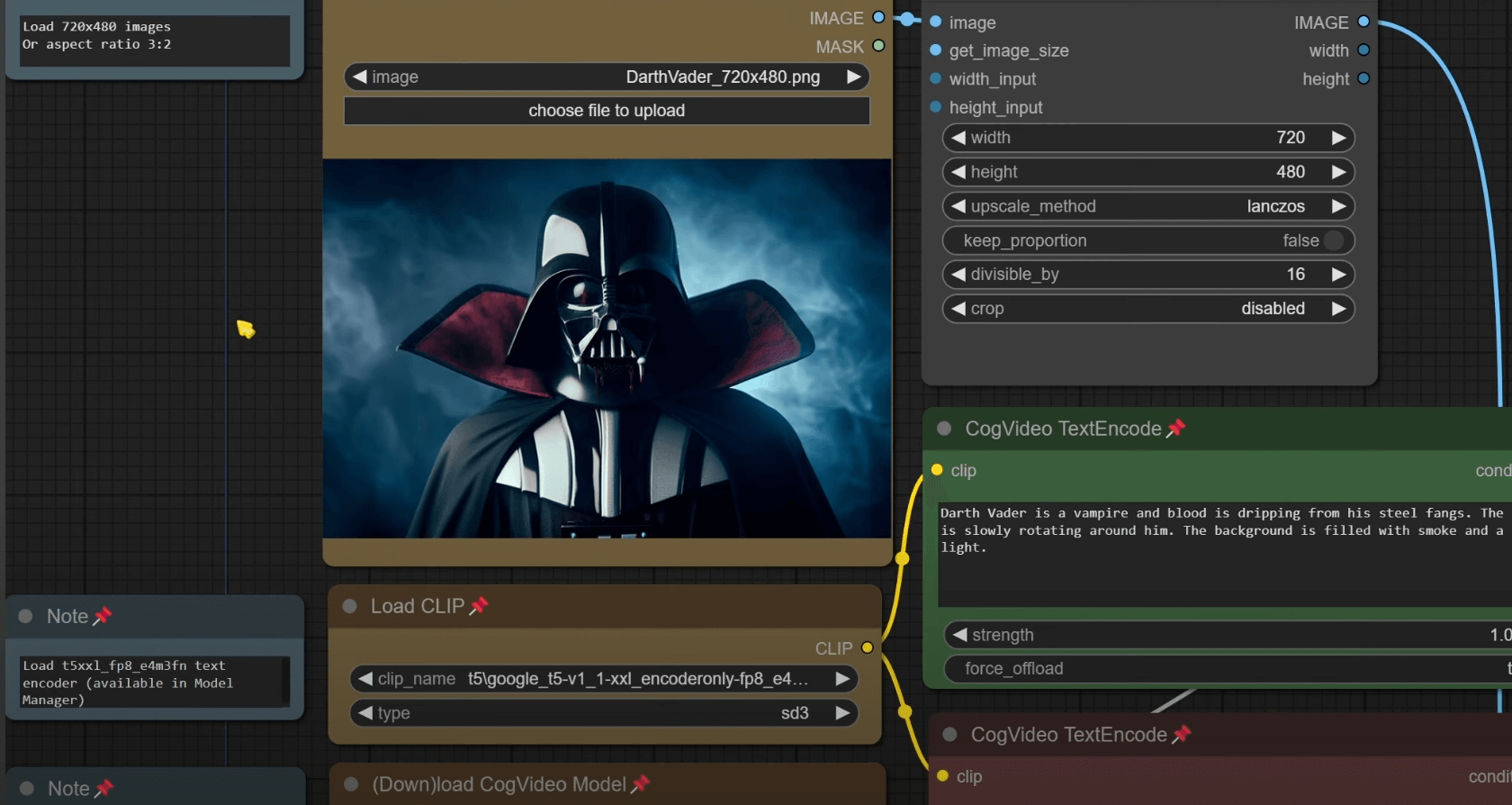
CogVideo
CogVideo is an AI video generator that enables users to create video content through three methods: Text-to-Video, Image-to-Video, and Video-to-Video generation. Users can turn a simple written prompt, an existing still photo, or a pre-recorded clip into a moving video directly in their web browser. It is ideal for social media creators needing continuous content, marketers creating rapid ad variations, and e-commerce sellers who want to add motion to static product photos. The platform bypasses the need for complex editing software, keyframes, or local GPU resources. The tool operates in three simple steps: describing the scene, generating the clip on the server, and downloading the finished video file. This allows users to go from an idea to a post-ready clip without leaving the browser tab.
View CogVideo →
Google Lumiere
Google Lumiere is a powerful Space-Time Text-to-Video diffusion model developed by Google Research, designed to synthesize videos with highly realistic, diverse, and coherent motion. It utilizes a Space-Time U-Net architecture, which generates the entire temporal duration of a video in a single, efficient pass. This versatile model supports three primary modes: generating video from text prompts (Text-to-Video), synthesizing video from a source image and prompt (Image-to-Video), and applying specific artistic styles using reference images. It is ideal for researchers and content creators requiring sophisticated video generation capabilities that surpass traditional models by ensuring seamless temporal consistency across the entire clip.
View Google Lumiere →Feature Comparison
CogVideo
- •Text-to-Video generation from prompts
- •Image-to-Video animation of stills
- •Video-to-Video restyling of footage
- •Runs entirely in the browser (no install)
- •Built-in prompt help suggestions
- •No need for GPU or timeline editing
Google Lumiere
- •Text-to-Video synthesis
- •Image-to-Video generation
- •Style reference transfer
- •Space-Time U-Net architecture
- •Single-pass temporal generation
At a glance
| CogVideo | Google Lumiere | |
|---|---|---|
| Category | Video Generation | Video Generation |
| Pricing | Freemium | Free |
| Community Rating | No reviews | No reviews |
| Upvotes on Stremit | 88 | 63 |
| Website | cogvideo.net ↗ | lumiere-video.github.io ↗ |
CogVideo vs Google Lumiere: Which is Better?
Choosing between CogVideo and Google Lumiere depends on your specific needs. Both tools belong to the Video Generation category, making them direct competitors. Compare their pricing, features, and user reviews above to make the best choice for your workflow.
Visit the individual tool pages for more detailed information, community reviews, and feature breakdowns.
Frequently asked questions
What is the difference between CogVideo and Google Lumiere?
CogVideo: CogVideo is an AI video generator that enables users to create video content through three methods: Text-to-Video, Image-to-Video, and Video-to-Video generation. Users can turn a simple written prompt, an existing still… Google Lumiere: Google Lumiere is a powerful Space-Time Text-to-Video diffusion model developed by Google Research, designed to synthesize videos with highly realistic, diverse, and coherent motion. It utilizes a Space-Time U-Net…
Is CogVideo free?
CogVideo is listed as Freemium on Stremit. Check the tool's site for current plans.
Is Google Lumiere free?
Google Lumiere is listed as Free on Stremit. Check the tool's site for current plans.
Are CogVideo and Google Lumiere competitors?
Yes — both are Video Generation tools on Stremit, so people often compare them before choosing.