Trace vs Postproxy
A detailed comparison to help you choose the right AI tool for your workflow.
Trace
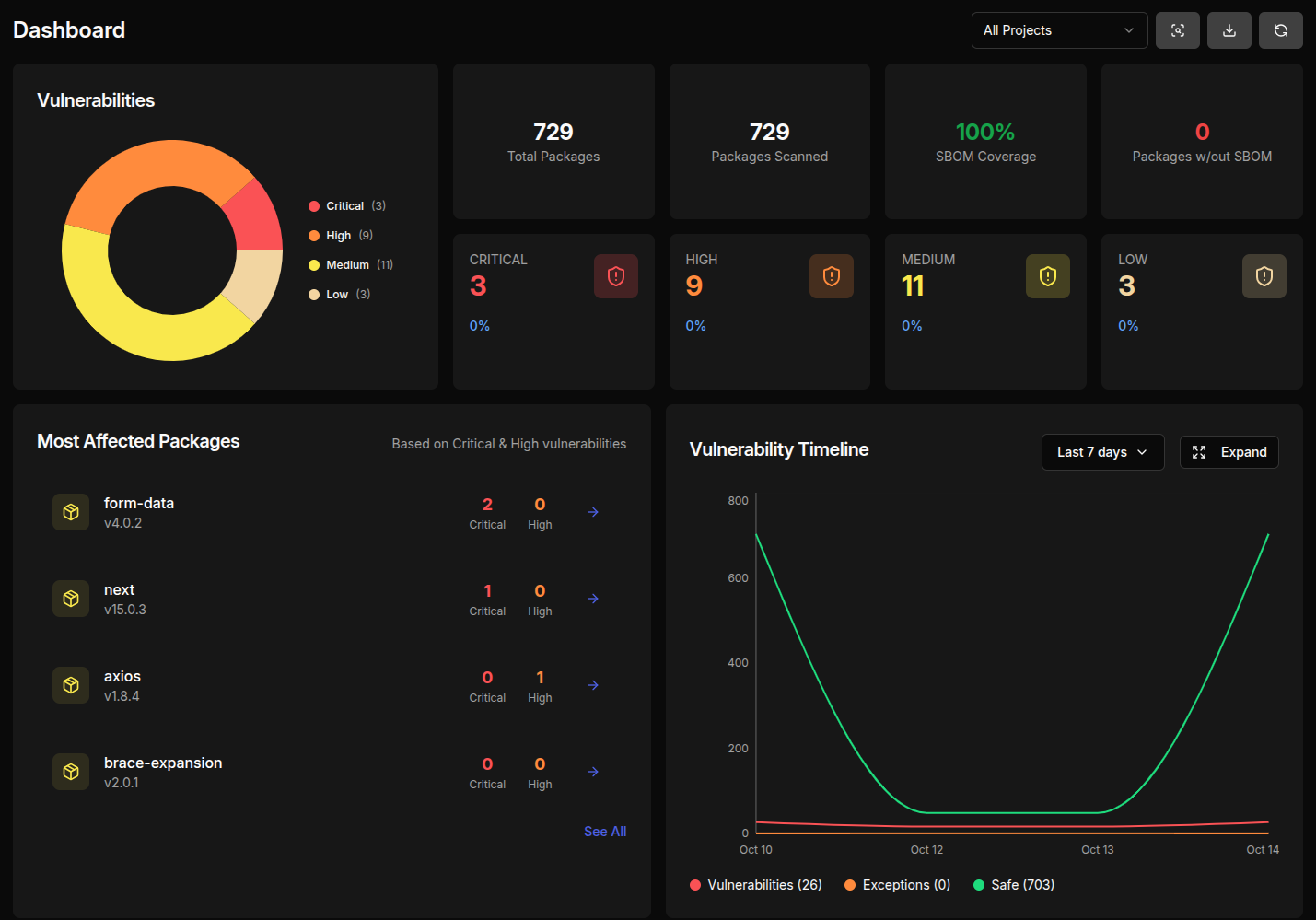
Trace-AI provides end-to-end supply-chain security by automatically generating Software Bill of Materials (SBOMs) using CycloneDX and SPDX. By connecting to GitHub or GitLab, the tool analyzes direct and transitive dependencies to provide a full inventory of all components in your software. The platform offers exploit-aware risk scoring, moving beyond traditional CVE lists to prioritize vulnerabilities with known, actionable exploits. It also tracks license compliance to identify potential issues with copyleft licenses (like GPL/LGPL) and provides critical vendor visibility, monitoring APIs and breach history. Built for enterprise transparency, Trace-AI ensures its core logic is open-source and auditable. It consolidates dependency analysis, risk scoring, and compliance checks into a single dashboard, allowing teams to easily generate audit-ready evidence for standards like ISO 27001 and SOC 2.
View Trace →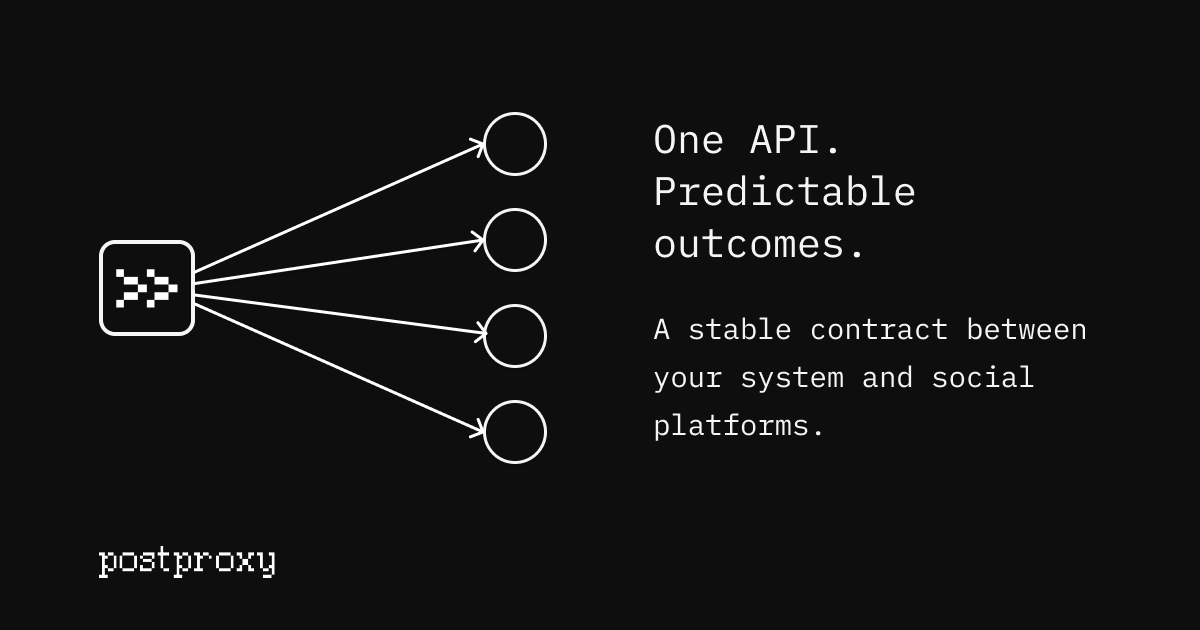
Postproxy
Postproxy provides a unified social media API designed for agencies, SaaS platforms, and AI agents, allowing seamless publishing and management across platforms like Instagram, LinkedIn, X, and TikTok. It centralizes the entire social workflow, enabling users to publish posts, manage comments, answer DMs, and handle reviews through a single, consistent API. It is built for reliability and integration depth, offering everything from REST endpoints and webhooks to advanced analytics and agentic flows for tools like Claude and Cursor. The platform supports official APIs and verified integrations with n8n, Make, and Zapier, making social media functionality an embedded, reliable step in any client pipeline. The service operates on clustered EU infrastructure, ensuring data sovereignty and compliance with standards like GDPR. This robust, enterprise-grade approach guarantees that social integrations work reliably within a product, protecting data with strong security and access controls.
View Postproxy →Feature Comparison
Trace
- •Real-time SBOM generation (CycloneDX/SPDX)
- •Exploit-aware vulnerability scoring
- •License compliance tracking
- •Vendor monitoring and visibility
- •Direct and transitive dependency analysis
Postproxy
- •Unified API for multiple social platforms
- •Manage comments, DMs, and reviews through one endpoint
- •Includes REST endpoints, SDKs, and webhooks
- •GDPR-compliant and hosted on EU infrastructure
- •Supports agentic flows for automation stacks
At a glance
| Trace | Postproxy | |
|---|---|---|
| Category | Business | Business |
| Pricing | Freemium | — |
| Community Rating | No reviews | No reviews |
| Upvotes on Stremit | 89 | 89 |
| Website | trace-ai.dev ↗ | postproxy.dev ↗ |
Trace vs Postproxy: Which is Better?
Choosing between Trace and Postproxy depends on your specific needs. Both tools belong to the Business category, making them direct competitors. Compare their pricing, features, and user reviews above to make the best choice for your workflow.
Visit the individual tool pages for more detailed information, community reviews, and feature breakdowns.
Frequently asked questions
What is the difference between Trace and Postproxy?
Trace: Trace-AI provides end-to-end supply-chain security by automatically generating Software Bill of Materials (SBOMs) using CycloneDX and SPDX. By connecting to GitHub or GitLab, the tool analyzes direct and transitive… Postproxy: Postproxy provides a unified social media API designed for agencies, SaaS platforms, and AI agents, allowing seamless publishing and management across platforms like Instagram, LinkedIn, X, and TikTok. It centralizes…
Is Trace free?
Trace is listed as Freemium on Stremit. Check the tool's site for current plans.
Are Trace and Postproxy competitors?
Yes — both are Business tools on Stremit, so people often compare them before choosing.