QuiverAI vs Napkin
A detailed comparison to help you choose the right AI tool for your workflow.
QuiverAI
QuiverAI generates, edits, and animates editable SVG vector graphics. It offers text to SVG, image to SVG vectorization, and SVG animation, with output designed to work in design tools. Its Arrow 2 model covers logos, illustrations, and animations, and typography is listed as coming soon. The tool is aimed at design teams building product, brand, and marketing assets. Developers can reach it through a REST API, Node.js and Vercel AI SDK packages, an MCP server for agents, and a CLI that installs SVGs as React components. QuiverAI's main difference is that its output stays as editable vectors rather than flat images. Animations run directly on the vector shapes and remain lightweight and controllable. Sandbox API keys return deterministic output and are not billed.
View QuiverAI →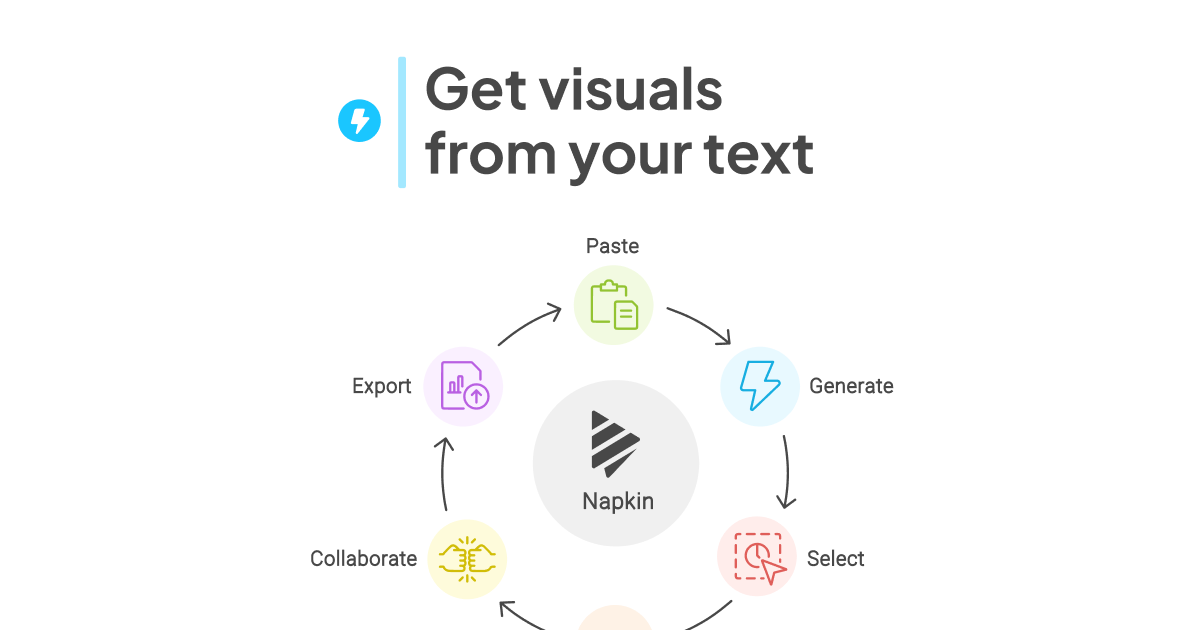
Napkin
Napkin turns text into visuals. It creates presentation-ready slide decks, mind maps, flowcharts, and editable data charts from written ideas or data. It also offers an API for generating visuals at scale inside an existing workflow. Visual generation uses AI credits, with roughly one credit charged per word selected. The tool is aimed at individuals and small teams, dedicated visual creators and planners, and large teams and organizations with heavy visual needs. The free plan includes 500 AI credits per week, unlimited visual editing, file import from PPT, DOC, PDF, HTML, and MD, and unlimited PNG and PDF export. Visuals on that plan carry Napkin branding. Paid plans add more AI credits, premium AI image models, PPT and SVG export, brand styles, and removal of Napkin branding. The site says self-serve accounts may use anonymized interaction data to improve its AI, with an opt-out available, and that enterprise customer data is not used for training. Napkin states it is SOC 2 Type II compliant and ISO 27001 certified.
View Napkin →Feature Comparison
QuiverAI
- •Text to SVG generation from prompts and references
- •Image to SVG vectorization
- •Direct SVG animation for logos, icons, and illustrations
- •Logo and illustration generation with editable vector output
- •REST API, Node.js SDK, and Vercel AI SDK support
- •MCP server, Cursor and Codex plugins, and CLI for React components
Napkin
- •Text-to-slide deck creation
- •Mind maps and flowcharts from text
- •Editable data charts
- •Unlimited PNG and PDF export on free plan
- •API for automated visual generation
- •SOC 2 Type II and ISO 27001 compliance
At a glance
| QuiverAI | Napkin | |
|---|---|---|
| Category | Design & UI | Design & UI |
| Pricing | Contact for Pricing | Freemium |
| Community Rating | No reviews | No reviews |
| Upvotes on Stremit | 72 | 78 |
| Website | quiver.ai ↗ | napkin.ai ↗ |
QuiverAI vs Napkin: Which is Better?
Choosing between QuiverAI and Napkin depends on your specific needs. Both tools belong to the Design & UI category, making them direct competitors. Compare their pricing, features, and user reviews above to make the best choice for your workflow.
Visit the individual tool pages for more detailed information, community reviews, and feature breakdowns.
Frequently asked questions
What is the difference between QuiverAI and Napkin?
QuiverAI: QuiverAI generates, edits, and animates editable SVG vector graphics. It offers text to SVG, image to SVG vectorization, and SVG animation, with output designed to work in design tools. Its Arrow 2 model covers logos,… Napkin: Napkin turns text into visuals. It creates presentation-ready slide decks, mind maps, flowcharts, and editable data charts from written ideas or data. It also offers an API for generating visuals at scale inside an…
Is QuiverAI free?
QuiverAI is listed as Contact for Pricing on Stremit. Check the tool's site for current plans.
Is Napkin free?
Napkin is listed as Freemium on Stremit. Check the tool's site for current plans.
Are QuiverAI and Napkin competitors?
Yes — both are Design & UI tools on Stremit, so people often compare them before choosing.