Fermi Dev vs. Shotoku
Ein ausführlicher Vergleich, der dir hilft, das richtige KI-Tool für deinen Workflow zu wählen.
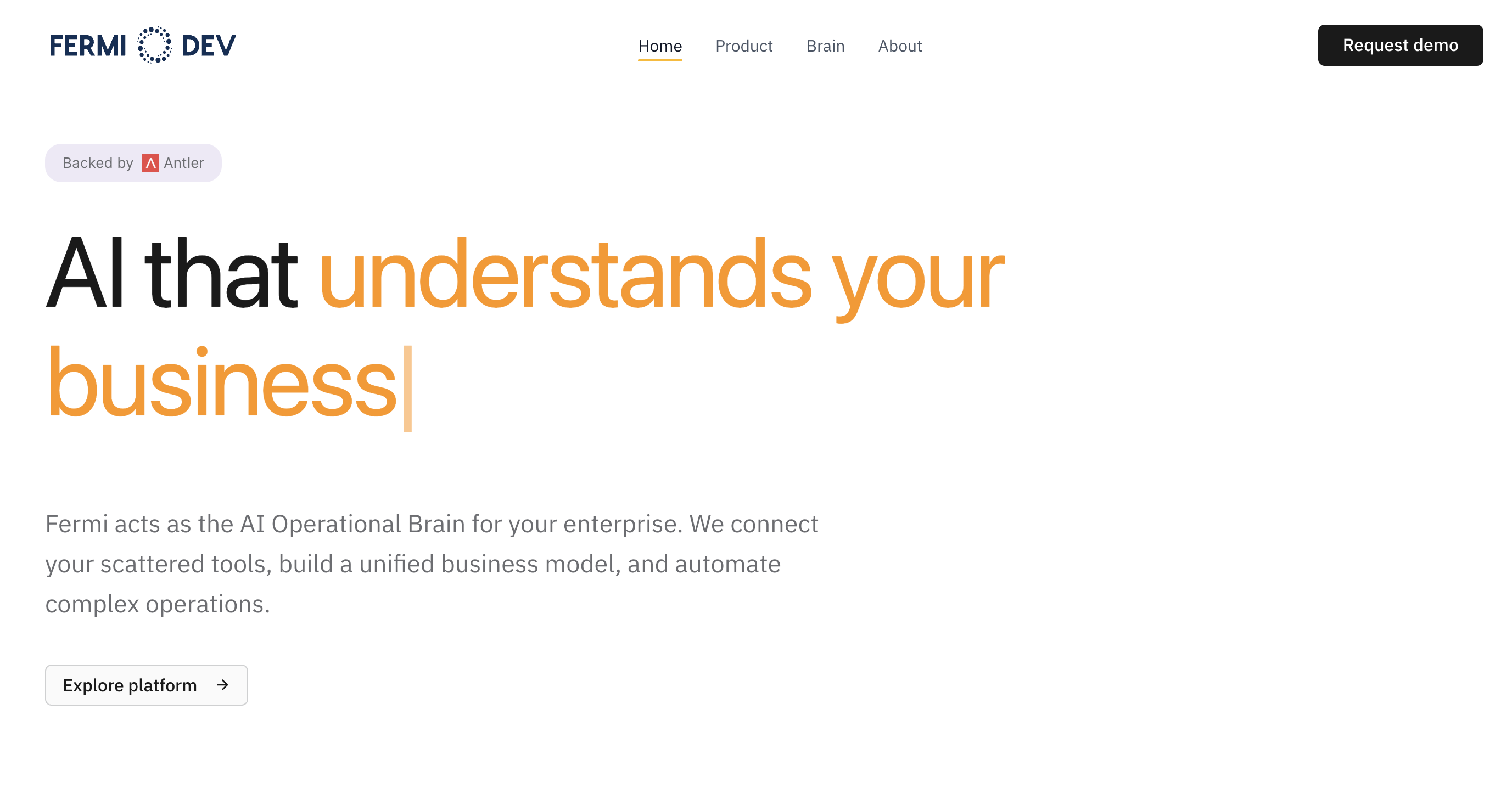
Fermi Dev
Fermi Dev is positioned as the AI Operational Brain for Modern Enterprises. It functions by connecting disparate systems, building dynamic models, and automating complex business processes using intelligent agents. Its core purpose is to transform scattered tools into unified intelligence, enabling enterprises to automate complex operations across their infrastructure. It is designed for modern enterprises looking to centralize their operations and establish a cohesive AI backbone across multiple interconnected systems.
Fermi Dev ansehen →
Shotoku
Shotoku is a local-first spend control layer for AI agents. It sets spending limits, requires human approvals for large spends, and keeps a tamper-evident audit trail. Each check runs before the payment happens. Policies are written in a single YAML file, and every decision is stored in a local JSONL file. It is built for developers whose autonomous agents make purchases, call paid APIs, use MCP tools, or run code. The core is a TypeScript function, so any agent that can call a function can use it. MCP-compatible agents can use its MCP server without code changes. Pending approvals can be sent to Telegram with Approve and Deny buttons. An if statement only adds logic, and a logger only records what happened. Shotoku adds rolling daily budgets, an approval queue, and structured reasons for each decision. It holds no funds and stores no keys. It never signs or settles a payment, because the agent's own wallet or payment rail does that. It runs with no account, no cloud, and no telemetry.
Shotoku ansehen →Funktionsvergleich
Fermi Dev
- •AI Operational Brain for Modern Enterprises
- •Connect systems
- •Build dynamic models
- •Automate business processes with intelligent agents
- •Transform scattered tools into unified intelligence
Shotoku
- •Per-transaction and rolling daily spending limits per vendor
- •Human approval gate for large spends via pending_approval
- •Tamper-evident audit trail stored in a local JSONL file
- •Policy rules defined in one YAML file
- •TypeScript authorize() function and MCP server integration
- •Approve or deny pending decisions from Telegram
Auf einen Blick
| Fermi Dev | Shotoku | |
|---|---|---|
| Kategorie | Automation | Automation |
| Preise | — | Unknown |
| Community-Bewertung | Keine Bewertungen | Keine Bewertungen |
| Upvotes auf Stremit | 90 | 0 |
| Website | fermi.dev ↗ | shotoku.dev ↗ |
Fermi Dev vs. Shotoku: Was ist besser?
Ob Fermi Dev oder Shotoku besser passt, hängt von deinen konkreten Anforderungen ab. Beide Tools gehören zur Kategorie Automation und sind damit direkte Konkurrenten. Vergleiche oben Preise, Funktionen und Nutzerbewertungen, um die beste Wahl für deinen Workflow zu treffen.
Auf den einzelnen Tool-Seiten findest du ausführlichere Infos, Community-Bewertungen und Funktionsübersichten.
Häufige Fragen
What is the difference between Fermi Dev and Shotoku?
Fermi Dev: Fermi Dev is positioned as the AI Operational Brain for Modern Enterprises. It functions by connecting disparate systems, building dynamic models, and automating complex business processes using intelligent agents. Its… Shotoku: Shotoku is a local-first spend control layer for AI agents. It sets spending limits, requires human approvals for large spends, and keeps a tamper-evident audit trail. Each check runs before the payment happens.…
Is Shotoku free?
Shotoku is listed as Unknown on Stremit. Check the tool's site for current plans.
Are Fermi Dev and Shotoku competitors?
Yes — both are Automation tools on Stremit, so people often compare them before choosing.